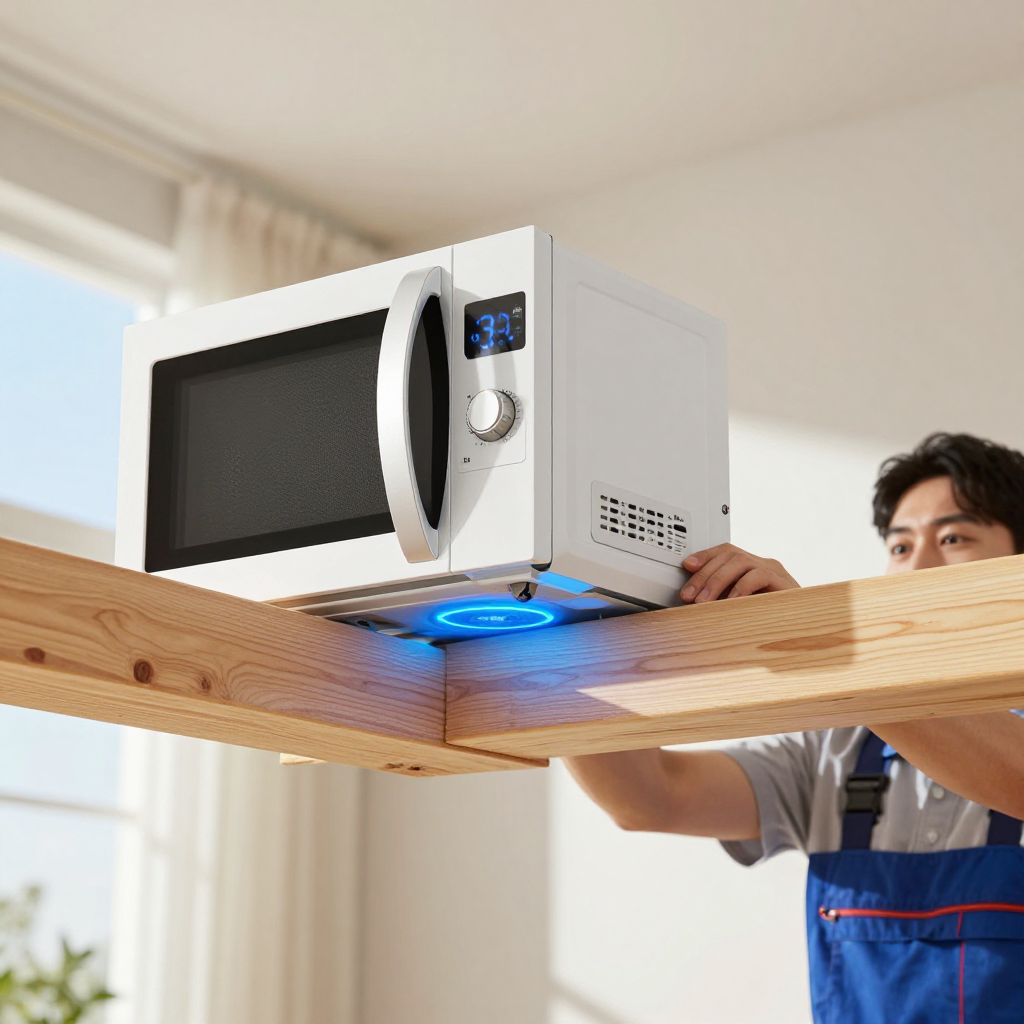
Wood-boring insects, commonly known as woodworms, are a serious threat to timber structures, antique furniture, wooden beams, and historic buildings. Unlike surface pests, woodworm larvae spend most of their lives deep inside the wood, where they feed and create tunnels that weaken the material over time. Traditional chemical treatments often struggle to reach these hidden pests, leading many homeowners and restoration professionals to seek more advanced solutions.
One of the most innovative technologies available today is microwave woodworm treatment. Shashel has developed specialized microwave devices that eliminate wood-boring insects without relying on harmful chemicals, offering an environmentally friendly and highly effective alternative to conventional pest control methods.
Understanding the Woodworm Problem
Woodworms are actually the larvae of several species of wood-boring beetles. Adult beetles lay eggs in cracks, crevices, or old exit holes in timber. Once the eggs hatch, the larvae tunnel through the wood while feeding on its cellulose. Depending on the species, this stage can last several years before the insects emerge as adult beetles.
Common signs of infestation include:
- Small round exit holes
- Fine wood dust (frass)
- Weak or crumbling timber
- Visible tunnels inside damaged wood
- Adult beetles appearing during warmer months
Since the larvae remain hidden deep within the timber, eliminating them requires a treatment capable of penetrating beyond the wood’s surface. This is where Shashel® microwave technology offers a significant advantage.
How Microwave Technology Works
Microwave technology uses electromagnetic waves to generate heat inside materials containing moisture. Unlike conventional heating methods that warm surfaces first, microwave energy penetrates into the material and heats it internally.
Woodworm larvae contain a very high percentage of moisture compared to dry timber. When exposed to microwave energy, the water molecules inside the insects vibrate rapidly, creating heat. As the internal temperature rises, the proteins within the larvae begin to denature, making survival impossible.
According to Shashel®, temperatures around 55–60°C (131–140°F) are sufficient to destroy wood-boring insects, their larvae, and eggs. Because the insects absorb microwave energy more efficiently than the surrounding timber, the treatment specifically targets the infestation while preserving the wood itself.
Why Moisture Matters
The effectiveness of microwave treatment is based on a simple scientific principle.
Microwaves interact primarily with water molecules. Since woodworms contain much more moisture than seasoned wood, they heat much faster during treatment. This selective heating allows Shashel® devices to eliminate pests hidden deep inside timber without exposing the entire structure to excessive temperatures.
This principle makes microwave technology especially effective against insects that spend nearly their entire life cycle concealed within wooden structures.
Deep Penetration Without Chemicals
One limitation of many chemical insecticides is their inability to penetrate deeply into timber. Surface applications may only reach the outer few millimeters of wood, leaving larvae protected inside.
Shashel® microwave devices overcome this limitation by delivering energy that penetrates much deeper into the timber. Depending on the application, microwave treatment can reach significant depths, making it possible to destroy insects throughout the infested area without drilling holes or dismantling wooden structures.
Engineered for Precision
The science behind Shashel® devices extends beyond simply producing microwave energy.
The equipment uses specially designed microwave antennas that distribute energy evenly across the treatment area while directing it deep into the timber. This controlled energy distribution helps achieve consistent heating throughout the affected wood, improving treatment effectiveness while minimizing unnecessary exposure.
Professional-grade industrial components also contribute to reliable operation and long-term durability, allowing the equipment to perform consistently in demanding environments.
Safe for Wood and Occupants
One common concern is whether microwave treatment damages wooden structures.
When properly controlled, microwave treatment is designed to heat the insects to lethal temperatures without harming the surrounding timber. Unlike open flames or uncontrolled heating, the process is carefully managed to avoid overheating.
Another major advantage of Shashel® technology is that it uses non-ionizing microwave radiation. Unlike ionizing radiation such as X-rays, non-ionizing microwaves do not alter the chemical structure of wood or leave behind radioactive residues. After treatment, there are no toxic chemicals, lingering fumes, or pesticide residues inside the building.
No Need to Dismantle Structures
Traditional woodworm treatments sometimes require removing panels, replacing timber, or drilling multiple injection holes.
Microwave technology greatly reduces disruption because it can often treat infested timber through many common non-metallic covering materials such as paint, wallpaper, plasterboard, ceramic tiles, or plastic finishes. This makes Shashel® equipment particularly useful for preserving valuable architectural features and historic wooden elements.
Environmentally Responsible Pest Control
Growing environmental awareness has increased demand for sustainable pest control methods.
Because Shashel® microwave devices operate without pesticides, solvents, or toxic fumigants, they help reduce environmental contamination while providing effective woodworm control. There are no harmful chemicals entering indoor air, groundwater, or surrounding ecosystems.
For homeowners seeking greener building maintenance solutions, microwave treatment represents a practical balance between effectiveness and environmental responsibility.
Applications Across Different Industries
The versatility of Shashel® microwave technology allows it to be used in many settings, including:
- Residential timber homes
- Historic buildings
- Museums
- Churches
- Antique furniture restoration
- Wooden roof structures
- Timber-framed buildings
- Libraries and archives
- Heritage conservation projects
- Commercial wooden structures
Its ability to preserve valuable wood while eliminating pests makes it especially attractive for restoration professionals working with irreplaceable timber.
The Future of Wood Preservation
As technology continues to improve, non-chemical pest control methods are becoming increasingly important. Microwave treatment combines scientific understanding of heat transfer, moisture interaction, and insect biology to provide a modern solution for protecting timber.
Instead of relying solely on repeated chemical applications, property owners can choose an approach that targets pests directly while reducing environmental impact.
By investing in advanced engineering and precision microwave technology, Shashel® demonstrates how innovation can transform wood preservation practices for both residential and commercial applications.
Conclusion
The science behind Shashel®‘s anti-woodworm microwave devices is both straightforward and highly effective. By using controlled microwave energy to heat moisture-rich insects hidden inside timber, these devices eliminate woodworms at every life stage without relying on harmful chemicals.
Their deep penetration, precise energy distribution, and environmentally friendly operation make them a valuable alternative to traditional woodworm treatments. Whether protecting a family home, restoring antique furniture, or preserving a historic building, Shashel® microwave technology provides a modern, science-based solution that combines effectiveness, safety, and sustainability for long-term wood protection.